Surface Preparation That Determines Coating Success
Grinding Services in Ridgeland for concrete requiring proper surface profile before coating application
Mississippi concrete often develops surface irregularities from clay soil movement and settling, creating conditions where coatings fail if the surface isn't properly prepared. Supreme Floor Coatings provides grinding services in Ridgeland that create the surface profile necessary for coating adhesion. Your concrete needs grinding when existing coatings must be removed, when the surface is too smooth for new coatings to bond, or when uneven areas prevent proper application.
Grinding removes surface contaminants, old coatings, and irregularities while creating the texture that allows new coatings to mechanically bond to the concrete. We grind all of our floors because proper surface preparation directly determines whether your floor coating lasts years or fails within months.
Arrange an on-site consultation to evaluate your concrete surface condition and grinding requirements.
How Grinding Addresses Surface Problems
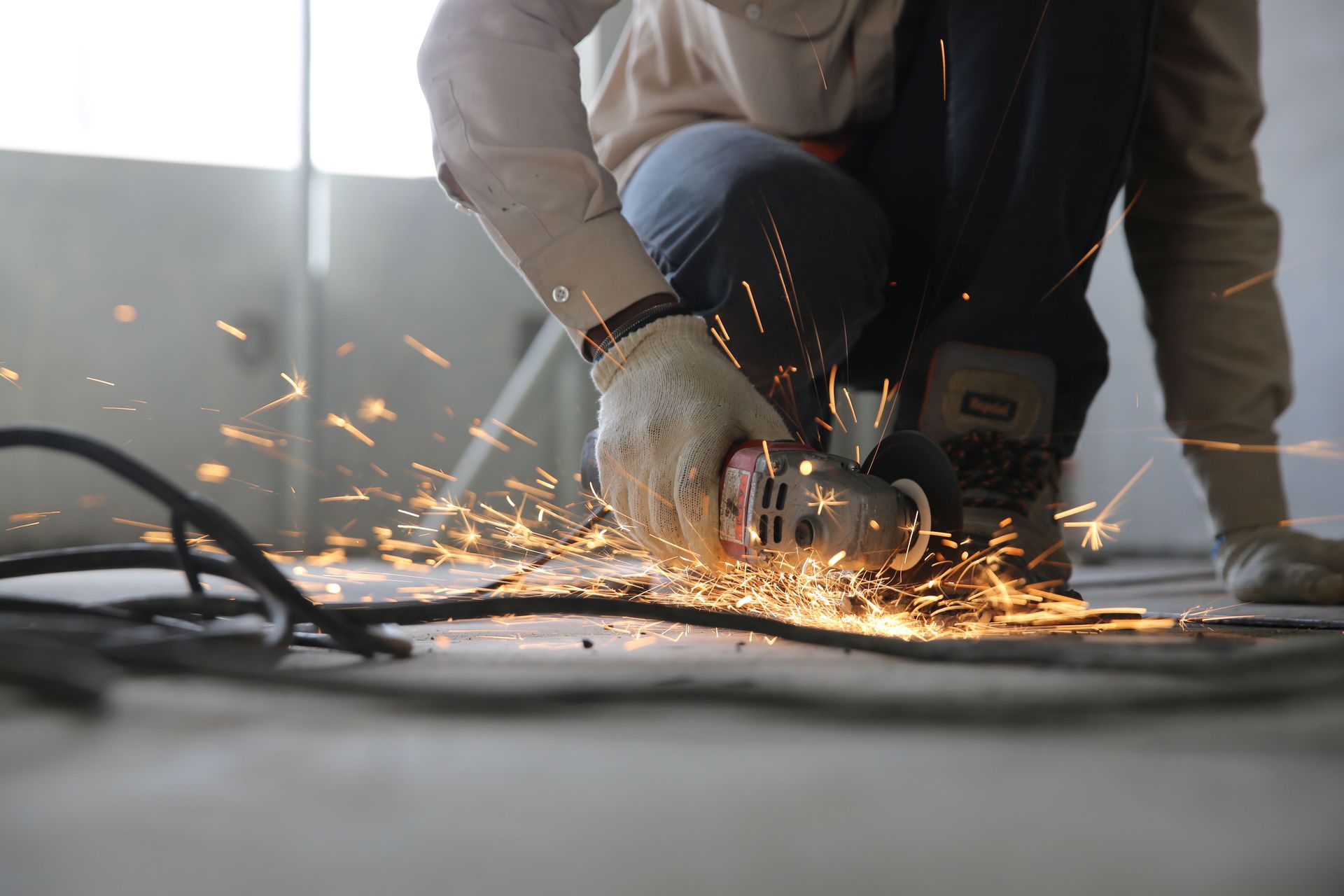
The process uses dustless grinding equipment that contains debris during operation, making it practical for occupied buildings where dust contamination would disrupt normal activities. Diamond grinding heads remove material progressively until the surface reaches the profile depth required for your specific coating system, typically removing between one-sixteenth and one-eighth inch of concrete depending on existing conditions.
You notice the concrete surface changes from smooth or contaminated to uniformly textured, existing coating residue disappears completely, and high spots become level with surrounding areas. The surface feels rough to the touch after grinding, indicating the open pore structure that allows coating penetration and mechanical bonding.
Grinding addresses surface preparation but does not repair structural cracks or fill low spots in the concrete slab. Those issues require separate crack repair or leveling work before coating application, particularly in areas where clay soil movement has caused slab settlement.
Answers to Frequent Service Questions
Property owners typically want to know about the grinding process before work begins.
What makes dustless grinding different from regular grinding?
Dustless systems use vacuum attachments that capture concrete dust at the grinding head, preventing it from becoming airborne and settling throughout the building. This allows grinding work in occupied spaces without requiring extensive cleanup or protection of equipment and inventory.
How deep does grinding need to go for coating adhesion?
Most coating systems require a surface profile between one-sixteenth and one-eighth inch deep, which appears as visible texture when you run your hand across the concrete. The specific depth depends on the coating thickness and type being applied.
Why do Mississippi concrete surfaces need more preparation?
Clay soil movement creates micro-cracking and surface stress in concrete slabs that isn't always visible but prevents coating adhesion. Grinding removes the stressed surface layer and exposes stable concrete underneath.
What happens if concrete isn't ground before coating?
Coatings applied to unprepared concrete typically fail within months through peeling or delamination because they bond only to surface contaminants or weak concrete rather than to solid substrate. Your floor is built to last only when preparation is done right the first time.
When should grinding happen relative to coating application?
Grinding creates an open pore structure that can absorb moisture and contaminants, so coating application should follow within 24 to 48 hours after grinding is completed to maintain surface cleanliness.
Supreme Floor Coatings applies professional grinding equipment and surface preparation experience to every project. Schedule a property assessment to identify specific grinding needs for your concrete surfaces.