Complete System From Concrete Prep Through Final Coat
Epoxy Floor Installation in Ridgeland for residential garages and commercial spaces requiring proper surface preparation and multi-coat application
Proper epoxy installation depends on understanding Mississippi slab construction and moisture management, not just rolling coating onto concrete. Supreme Floor Coatings tests every floor for moisture content before application begins, since hydrostatic pressure from groundwater or inadequate vapor barriers beneath the slab will push coatings off within months if this step is skipped. The installation process includes diamond grinding to prepare the surface, crack repair where needed, base coat application, and final topcoat layer—minimum two coats rather than single-layer shortcuts that fail prematurely.
You need a floor that bonds permanently to your concrete and handles daily use without delaminating or wearing through to bare spots. The complete installation process addresses both adhesion to the substrate and protection of the finished surface, treating your floor as a system rather than just a cosmetic upgrade.
Request an on-site assessment to determine your concrete's preparation requirements and coating system options.
What Separates Lasting Installation From Premature Failure
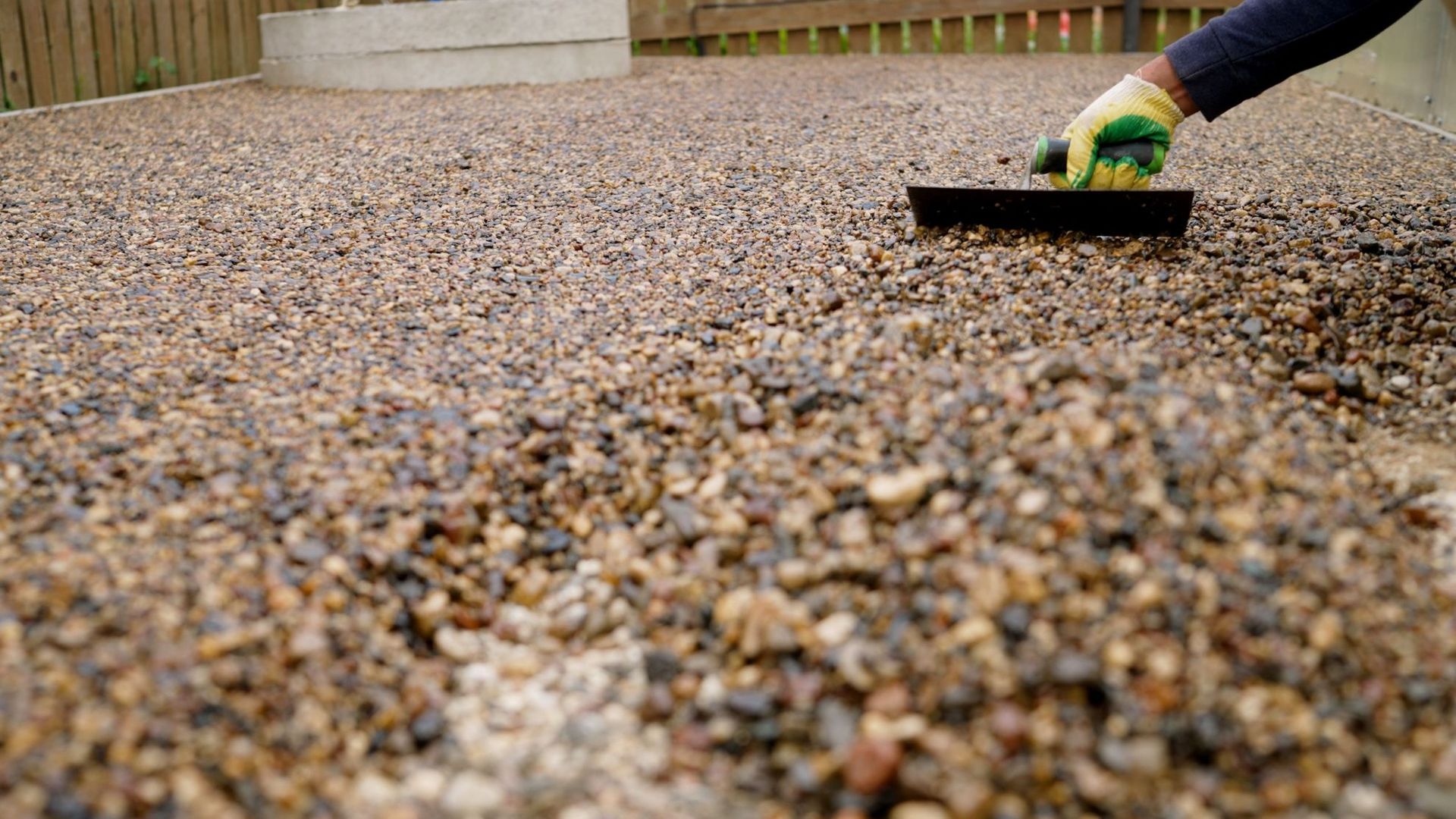
Diamond grinding equipment removes surface contaminants, opens the concrete's pore structure, and creates the profile needed for mechanical adhesion. Moisture testing using calcium chloride tests or electronic meters determines whether your slab is releasing water vapor at levels that will prevent proper bonding—particularly important in Mississippi where humid conditions and clay soil increase moisture pressure beneath slabs. Base coat application follows grinding, filling minor cracks and pinholes while establishing the foundation for the topcoat layer that provides color and wear resistance.
Your finished floor shows uniform appearance without thin spots or premature wear patterns that indicate inadequate preparation or coating thickness. The surface resists hot tire pickup, chemical spills, and abrasion from tools or vehicle traffic because the coating thickness and adhesion handle real-world stresses. Multi-coat application systems separate functions—the base coat bonds to concrete and handles substrate imperfections while the topcoat provides protection and appearance.
Crack repair services address settlement and movement issues before coating application, and expansion joints are maintained rather than coated over to allow your slab natural movement without transferring stress to the coating system. The installation is built to last because each step addresses specific failure points rather than rushing through preparation to get coating down quickly.
Installation Questions Homeowners Ask
Property owners planning epoxy floor projects want to understand what proper installation involves and why preparation steps matter for long-term performance.
What does comprehensive moisture testing involve before coating installation?
Calcium chloride tests measure moisture vapor emission from your slab over 60 to 72 hours, or electronic meters provide immediate readings of moisture content within the concrete. Slabs exceeding acceptable thresholds need vapor barriers, additional drying time, or specialized coating systems before installation proceeds.
How does diamond grinding differ from the preparation methods some contractors use?
Grinding mechanically removes the concrete surface layer using diamond-impregnated discs, creating consistent surface profile and removing contaminants that prevent coating adhesion. Acid etching or simple cleaning methods leave contaminants in place and create inconsistent surface preparation that leads to bonding failures.
Why do some epoxy floors delaminate or peel within a year of installation?
Inadequate surface preparation, moisture issues ignored during installation, or single-coat applications that lack proper base coat adhesion all cause premature failure. Proper installation addresses substrate conditions first, then builds coating system in multiple layers designed to handle both adhesion and wear requirements.
When does crack repair need to happen relative to coating application?
Cracks are cleaned, filled, and allowed to cure before grinding and coating begin. Active cracks caused by ongoing settlement require evaluation to determine whether coating installation should proceed or structural issues need resolution first.
What distinguishes multi-coat application from single-coat systems?
Multi-coat systems use a base coat for adhesion and substrate sealing, followed by separate topcoat for protection and appearance. Single-coat applications attempt to handle all functions in one layer, sacrificing either adhesion or durability. Two-coat minimum application ensures your floor is built to last through years of use.
Supreme Floor Coatings operates with diamond grinding equipment and multi-coat application expertise on every installation, backed by proper licensing and insurance. Contact our team to discuss your floor's specific conditions and schedule preparation work that ensures lasting results.